
Think about the last time you felt genuinely good after finishing that second gulab jamun at a family function. Yeah. We thought so.
There's a quiet revolution happening in Indian kitchens. People across the country from a 60-year-old diabetic uncle in Pune to a 28-year-old fitness enthusiast in Bengaluru are rethinking the one ingredient that sneaks into absolutely everything: sugar. And they're not just cutting back. They're switching to natural sweeteners that actually work for their bodies and their lifestyles.
The reasons are simple, the science is solid, and honestly it was only a matter of time.
Why Sugar Is No Longer the Default
India already has over 100 million diabetics, earning it the unfortunate title of diabetes capital of the world. Millions more sit in the pre-diabetic zone without knowing it. Add rising obesity, PCOD in young women, and a generation raised on packaged snacks and soft drinks and it's clear that our relationship with sugar has become genuinely complicated.
The obvious response for years was to switch to artificial sweeteners. But saccharin, aspartame, and sucralose came with their own baggage, a persistent aftertaste, growing concerns about health, and a nagging feeling that swapping one synthetic thing for another wasn't really progress. People wanted something sweet, safe, and sourced from nature. That's exactly where natural sweeteners stepped in.
What Makes Natural Sweeteners Actually Different?
Not all sweeteners that claim to be "natural" are created equal. Honey, jaggery, and coconut sugar are natural but they're still sugars. They still raise blood glucose. Better than refined white sugar in some ways, sure but not zero calorie sweeteners.
The real game-changers are plant-based sweeteners that give you the sweetness without the metabolic cost.
Stevia: The 0 Calorie Sweetener Straight from a Plant

Stevia is extracted from the leaves of the Stevia rebaudiana plant, and it's genuinely remarkable. The sweet compounds called steviol glycosides are up to 250 - 300 times sweeter than sugar, which means you need only a fraction of the amount. More importantly, your body doesn't metabolise them like it does sugar. The result is zero calories and no sugar spike.
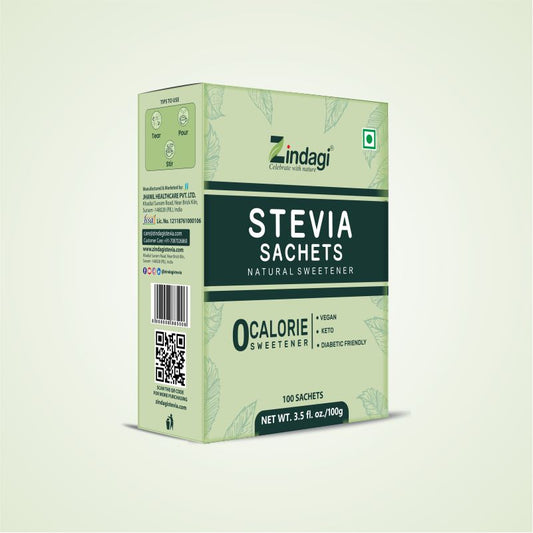
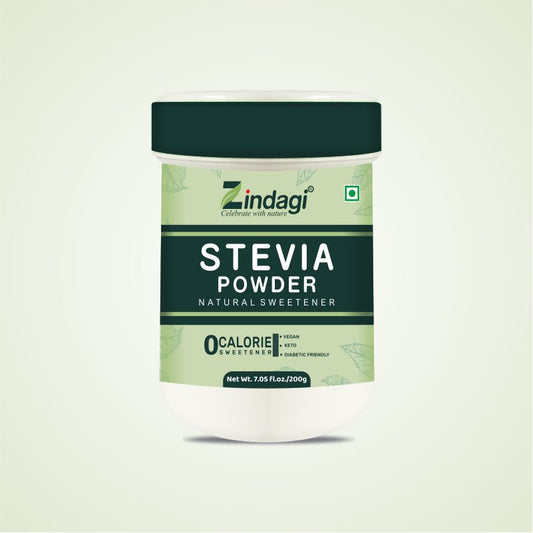
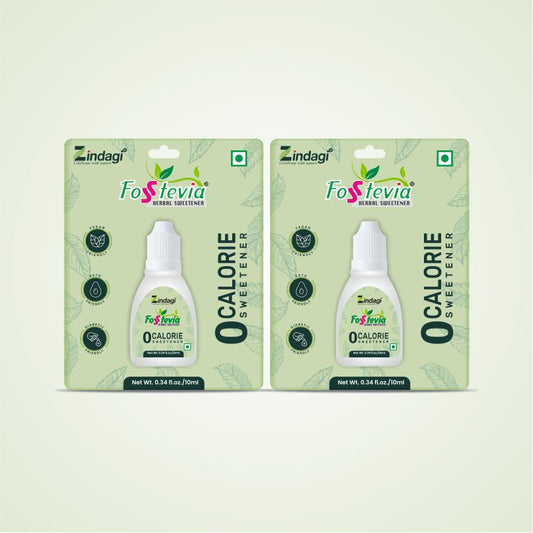
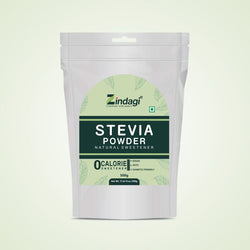
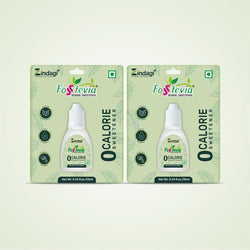
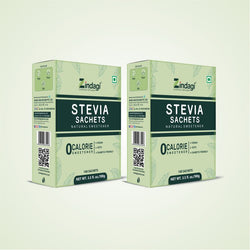
You can stir it into your morning chai, use it in homemade kheer, sweeten your lemonade during Navratri fasts, or mix it into your post-workout shake. It fits into Indian cooking without changing the soul of a recipe. Brands like Zindagi Stevia have made this even more accessible - offering stevia in drops, sachets, and powder form, specifically designed for everyday Indian use.
Monk Fruit: The Other Natural Sweetener Worth Knowing
Monk fruit is another rising star in the natural sweeteners space. Like stevia, it's plant-derived, zero calorie, and doesn't impact blood sugar. It has a slightly different, some say cleaner taste profile, making it especially popular in cold beverages. Still relatively new to Indian shelves, but worth watching as awareness grows. Trugar offers monk fruit-based options for those who want to explore beyond stevia.
Who Is Making the Switch and Why ?
A few years ago, the typical stevia consumer was the diabetic who had no choice. Today, the profile looks very different.

Diabetics and Pre-Diabetics Who Want Their Sweetness Back
This remains the largest group and for good reason. Managing diabetes in India is as much an emotional challenge as a medical one. Food is culture. Saying no to sweetness at every festival, every family gathering, every cup of chai feels like a permanent loss. A 0 calorie sweetener derived from a plant gives people back the pleasure of sweet food without the health consequences. That's not a small thing.
Fitness-Focused Indians Who Read Every Label
Whether it's a calorie deficit, a keto plan, or simply trimming post-lockdown weight gain, sugar is always the first thing to go. Gym-goers and weight-watchers have caught on to stevia as the natural, clean-label solution. Add to this a whole generation of 25–35 year olds who actually flip the packet around and check ingredients. For them, a plant-derived sweetener beats a lab-synthesised one every single time.
Families Trying to Eat Better Without Overhauling Everything
Perhaps the most significant and underrated group, regular families who aren't chasing fitness goals or managing a diagnosis, but simply making smarter daily choices. Swapping sugar in the chai. Making a healthier sharbat for the kids. Cooking festive sweets that a diabetic grandparent can actually enjoy. These small decisions, multiplied across millions of households, represent the real scale of this shift.
The Bottom Line
What started as a niche choice for diabetics has become a mainstream movement and it makes complete sense. The science around natural sweeteners is amazing. The options are accessible. And for a country that runs on chai, mithai, and festivals, having a sweet alternative that doesn't compromise health is not just convenient, it's necessary.
Whether you're managing a condition, chasing a fitness goal, or just tired of feeling guilty about sugar, the switch is one of the simplest and most impactful changes you can make. And if the entire country seems to be making it, maybe it's worth asking: what are you waiting for?
Make the switch to natural sweeteners - one cup of chai at a time.
Frequently Asked Questions
Is stevia safe for diabetics to consume daily?
Yes. Stevia is zero calorie sweetener and does not raise blood glucose levels, making it one of the most suitable natural sweeteners for people with Type 1 or Type 2 diabetes. Always consult your doctor if you're on medication, as dietary changes can interact with treatment plans.
Does stevia have any side effects?
Stevia is recognised as safe by major food safety authorities including FSSAI. Typical daily usage is well within safe limits if you are using an FSSAI approved product like Zindagi Stevia Powder.
Can I cook and bake Indian sweets with stevia instead of sugar?
Yes, it’s heat stable and best for dishes like kheer, halwa, baked desserts and beverages. It works very well as a direct sweetness substitute. Most stevia products come with conversion guides.
Are all natural sweeteners calorie-free?
No, a common misconception. Honey, jaggery, and coconut sugar are natural but still have calories. Stevia and monk fruit are the only truly zero calorie natural sweeteners that don't impact blood sugar, the better choice for both weight management and diabetes.